

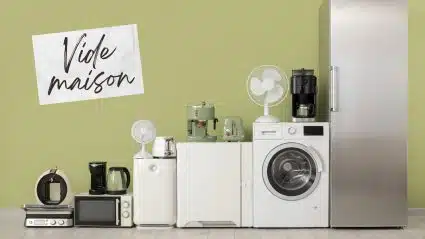
Moving is often a good opportunity to declutter. An aging refrigerator, an energy-guzzling washing machine, a microwave you rarely use… Should you take them with you, sell your appliances, or, on the contrary, throw them away before you leave?
Beyond simply saving space, this consideration directly affects your budget, logistical planning, and even the environmental impact of your project. Transporting a bulky appliance incurs costs and requires proper handling. Conversely, getting rid of it requires planning ahead for resale, donation, or recycling.
Taking the time to assess each item of equipment will allow you to approach your move with greater peace of mind, while optimizing both the volume of items being transported and your commitment to sustainability.
Should you keep your devices or get rid of them before moving?
Before making any decision, three factors should guide your thinking: the condition of the appliance, its energy efficiency, and its compatibility with your future home.
The age and condition of the device
A household appliance has an average lifespan. A washing machine typically lasts about ten years, while a refrigerator can last up to fifteen years, depending on how well it’s maintained.
If your equipment shows signs of wear and tear (unusual noise, repeated breakdowns, reduced efficiency), transporting it over a long distance may hasten the need to replace it.
In this situation, selling your appliances while they’re still in working order may be a better idea than paying for shipping and future repairs.
Energy Consumption and Performance
Older appliances often use more energy. Newer models, which have higher energy efficiency ratings, can significantly reduce electricity consumption.
Moving can be a good time to replace an old appliance with a more energy-efficient one. The cost of shipping, combined with future energy costs, is something you should consider when making your decision.
Preparing for Future Housing Needs
Kitchen dimensions, location of utility connections, type of utility service (gas, electricity)… not all homes have the same constraints.
Before deciding to keep an appliance, check to see if it’ s compatible with your new home. Planning ahead for these details helps you avoid installation difficulties and last-minute adjustments.
Selling Your Appliances Before a Move
Reselling is an attractive option for reducing the volume you need to transport while recouping part of your investment.
Which devices sell the best?
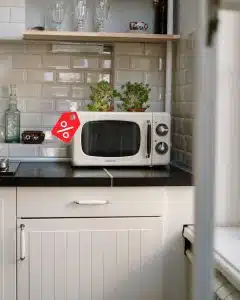 The most sought-after devices are:
- Washer and Dryer
- Newer Refrigerators
- Microwave
- Small appliances in excellent condition
Equipment from well-known brands that is clean and comes with its manuals or receipts generally finds a buyer more quickly.
Where to Sell: Platforms and Resale Channels
Several platforms make it easier to resell locally:
- Le Bon Coin
- Vinted
- Facebook Marketplace
- Local Groups and Local Tours
Posting your listings early gives you a better chance of selling before moving day.
Donating Household Appliances: A Way to Show Solidarity
When resale is not an option, donating is a responsible alternative.
Who to Give Your Appliances To
Several organizations accept donations of assistive devices:
- Emmaus
- Local job placement organizations
- Family Support Services
These organizations promote reuse and support initiatives based on solidarity.
What are the requirements for donating?
Devices generally must:
- To be in working order
- Be accurate and complete
- Comply with safety standards
An appliance that is too old or defective may be rejected. It is recommended that you contact the organization in advance.
Find out how you can adopt more responsible practices to make your move more eco-friendly.

Household Appliances and Bulky Items: Rules You Need to Know
When a device cannot be sold or given away, recycling is the only option.
Household Appliances and Municipal Bulky Items
It is prohibited to leave an appliance on a public street. Electrical equipment is subject to the WEEE (Waste Electrical and Electronic Equipment) regulations.
Two main solutions:
- Municipal Recycling Center
- In-store trade-in when purchasing a new device (in-store WEEE drop-off)
These processes ensure that components are handled properly.
Mistakes to Avoid Before Moving
Certain mistakes can make it harder for you to stay organized:
- Leaving an electronic device on the sidewalk
- Forgetting to defrost a refrigerator
- Underestimating Weight and Handling
Choosing to sell, donate, or recycle your appliances helps reduce the volume of items to be transported and streamline logistics. Fewer bulky items means easier handling and better organization on moving day.
Discover our moving packages and get a personalized quote from Les Gentlemen du Déménagement.
By planning ahead for the future of your household appliances, you can turn a logistical challenge into a real opportunity for organization.